
Leon Müller · 19 September 2026
Curated Digital Marginalia as a Tool for Direct Audience Connection Among Independent Publishers
Independent publishers have adopted curated digital marginalia as a method for embedding selected annotations directly into their online content and this practice allows them to share contextual notes, questions, and references that guide reader attention without relying on separate comment threads or social media channels. Researchers have documented how these annotations function as curated elements that publishers control while readers interact with them in the same interface and the approach creates pathways for ongoing dialogue that remain tied to the original material.
Data from publishing platforms shows that independent sites using marginalia features report higher rates of repeat visits because readers return to add their own notes or respond to the publisher's selections. In September 2026 industry tracking indicated that adoption of annotation tools among solo publishers increased by 18 percent compared with the previous year and this growth coincided with updates to web standards that made embedding notes more seamless across different browsers and devices.
Defining Curated Digital Marginalia in Publishing Contexts
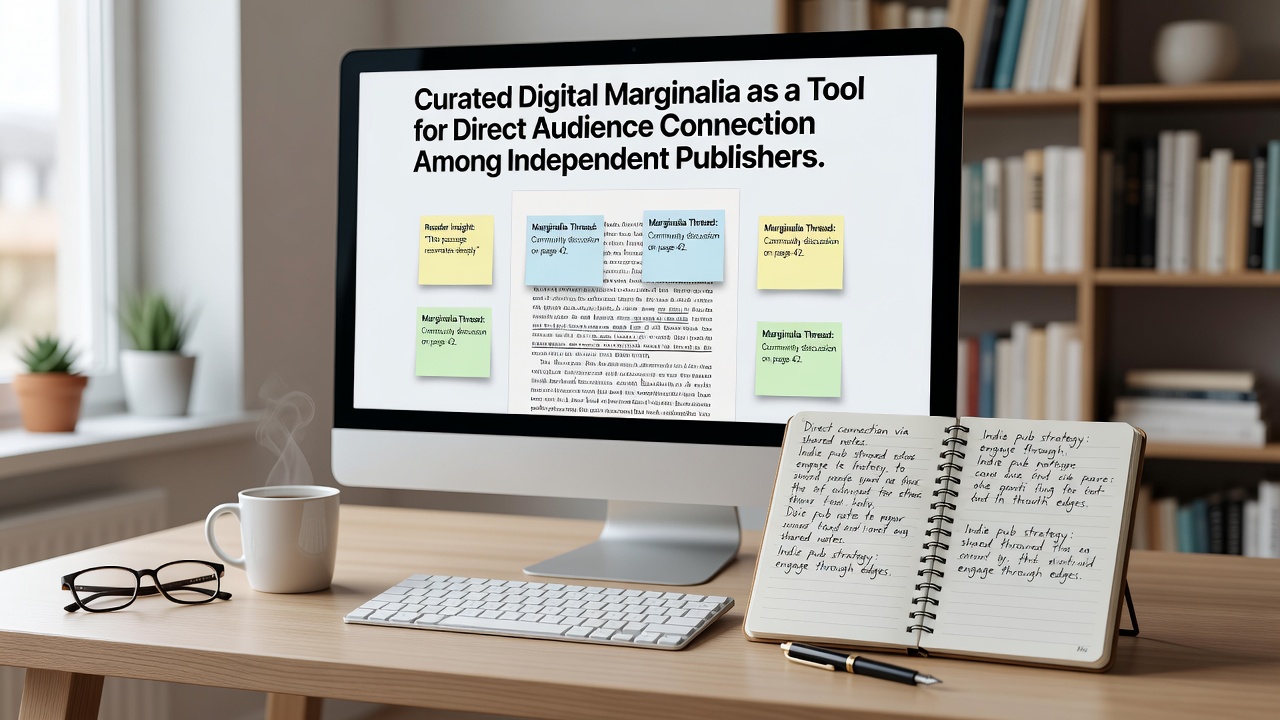
Curated digital marginalia consists of publisher-selected highlights, comments, and links placed alongside core text and these elements differ from reader-generated annotations because the publisher reviews and organizes them before publication. Observers note that the curation process involves choosing passages that benefit from additional explanation or that invite specific types of reader input and the result is a layered reading experience where marginal notes serve both informational and connective purposes.
Studies from academic institutions reveal that such marginalia can reference external sources or pose open questions that encourage readers to contribute their perspectives and this structure supports direct connection because responses stay attached to the relevant sections rather than dispersing across external platforms. Those who manage independent publications often integrate marginalia with existing content management systems and the technical requirements remain modest compared with full social features.
Implementation Practices Among Independent Publishers
Publishers begin by identifying sections of their articles that lend themselves to annotation and they then prepare concise notes that add value without overwhelming the primary text. Implementation typically includes tools that allow readers to toggle marginalia visibility or to contribute their own entries after registration and these steps keep the connection channel focused and manageable for small teams.
One study conducted by researchers at a Canadian university examined 120 independent sites and found that those maintaining consistent marginalia schedules saw measurable rises in reader retention metrics over six-month periods. The same research indicated that annotations referencing timely events or shared industry challenges produced the strongest response rates because readers recognized opportunities to add comparable experiences.
Measuring Audience Connection Outcomes
Connection outcomes appear in metrics such as annotation reply counts, time spent on annotated pages, and direct email subscriptions that originate from marginalia interactions. Figures released by the European Commission on digital content engagement show that platforms supporting in-text notes achieve higher completion rates for reader feedback forms than those limited to end-of-article comments and this pattern holds across multiple content categories.
Independent publishers track these indicators through built-in analytics and they adjust curation choices based on which annotations generate sustained threads. The process remains iterative because publishers review reader contributions and incorporate selected insights into future marginalia selections and this cycle reinforces the sense of ongoing exchange.
Technical Considerations and Standards
Current web standards support annotation embedding through protocols that allow notes to travel with content across devices and formats. Independent publishers who adopt these standards avoid compatibility issues that arise when using proprietary plugins and they gain flexibility to migrate annotation data if platform needs change.
Reports from Australian digital economy assessments note that sites using open annotation formats experienced fewer technical disruptions during major browser updates in 2025 and 2026 and this stability supports continuous audience engagement without repeated maintenance interruptions.
Conclusion
Curated digital marginalia provides independent publishers with a structured method for placing selected notes directly within their content and this placement supports measurable audience connection through repeated interactions and retained reader attention. Available data and implementation examples demonstrate that the approach integrates with existing publishing workflows while delivering documented engagement benefits and further adoption appears likely as standards continue to mature.