
Rosa Fischer · 3 October 2026
Exploring Niche Knowledge Sharing Platforms That Enable Direct Reader Bonds for Solo Content Producers
Independent creators have turned to specialized platforms that combine knowledge distribution with tools for ongoing reader engagement, and these systems differ from broad social networks by focusing on sustained, topic-specific exchanges. In October 2026, industry reports indicate growth in platforms designed for direct interaction, where producers share detailed resources while readers respond through structured channels rather than fleeting likes.
Platform Structures That Support Ongoing Connections
Many of these platforms organize content into layered sections that allow producers to publish guides, datasets, or case analyses alongside threaded discussion areas. Observers note that such setups let creators post updates while readers add annotations or questions that remain visible to the entire group, building a shared record of insights over months or years. Data from digital media analyses show that these features appear more frequently in niche environments than on general-purpose sites because the smaller scale keeps conversations manageable and relevant.
Some services incorporate membership tiers that grant access to private archives or live sessions, and these elements create recurring touchpoints between producers and their audiences. Researchers have documented cases where solo publishers use integrated calendars to schedule monthly deep-dive calls, turning one-time readers into repeat participants who contribute their own observations during the sessions.
Examples of Knowledge-Focused Communities
Platforms such as specialized research forums and curated learning circles illustrate how direct bonds form around particular subjects. One model uses version-controlled documents that readers can fork and comment upon, with the original producer reviewing changes before they merge into the main resource. Another relies on audio rooms where producers narrate findings and field questions in real time, generating transcripts that become additional shared material.
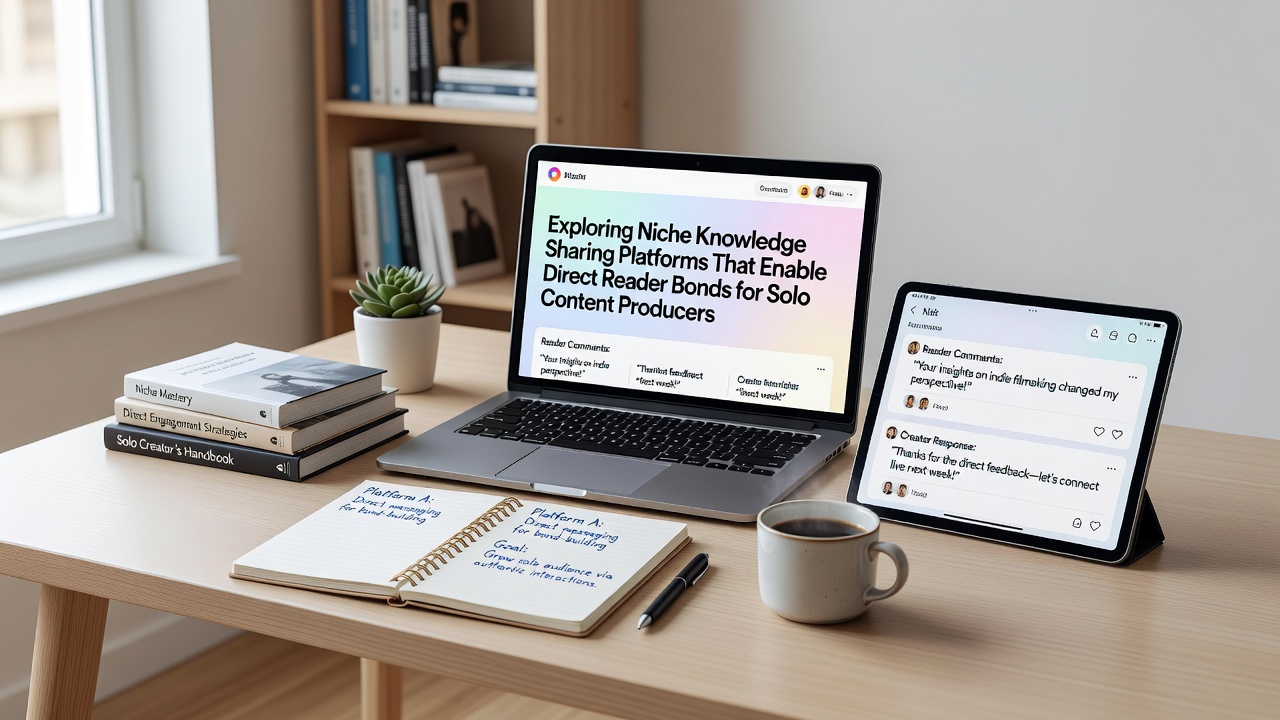
Those who have studied adoption patterns report that creators in technical fields often select environments supporting code repositories with inline discussion threads, while writers in humanities domains favor annotation layers over static posts. Both approaches produce archives that new members can review to understand the evolution of ideas within the group.
Technical Features Driving Reader Retention
Notification systems tied to specific topics rather than general activity help maintain engagement without overwhelming participants. According to studies on digital communication patterns, platforms that allow granular alerts for new contributions in chosen subtopics see higher return rates among readers. Solo producers benefit because they can respond selectively to high-value comments instead of managing every notification.
Analytics dashboards available on some services reveal which resources generate the most follow-up questions, and creators use these metrics to adjust future output. Figures from European digital economy reviews reveal that such data tools have become standard on mid-sized knowledge platforms since 2024, giving independent operators insights previously available only to large organizations.
Integration With Existing Workflows
Many producers link these platforms to their personal sites through embed codes or API connections, maintaining a central hub while routing audience interaction to the dedicated community space. This arrangement keeps ownership of core content intact while outsourcing the labor of conversation management. Academic papers on content distribution note that such hybrid models reduce platform lock-in risks for creators who maintain archives on their own domains.
Payment processing built into several services allows readers to support specific projects or unlock extended resources, and transaction records provide another layer of direct feedback. Data collected by North American research institutions show steady increases in micro-transactions on knowledge platforms through late 2026, reflecting sustained reader willingness to fund continued access.
Conclusion
Niche knowledge sharing platforms continue to evolve by combining structured content delivery with mechanisms that reward repeated engagement. Solo content producers gain access to audiences that value depth over virality, and the resulting bonds appear in the form of ongoing discussions, collaborative updates, and shared archives that persist beyond individual posts. As usage patterns stabilize into 2027, the documented features of these systems offer concrete models for independent creators seeking durable reader relationships.