Devon Hartmann · 31 October 2026
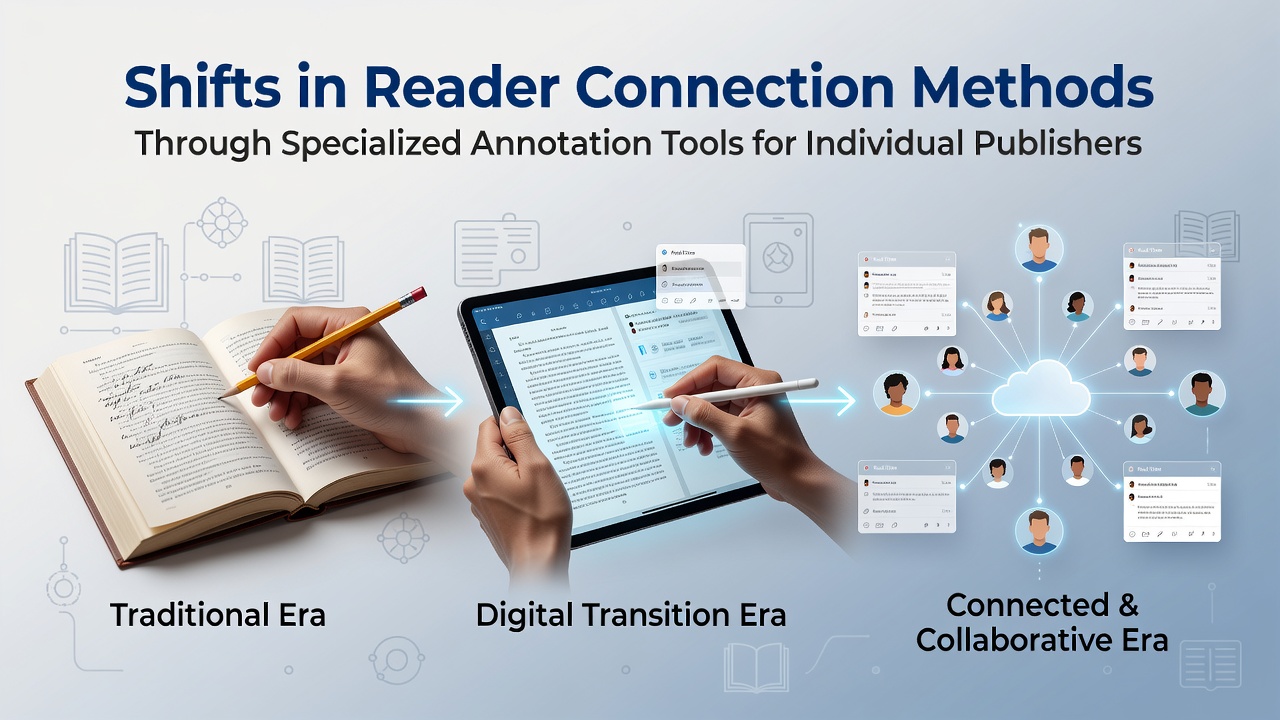
Shifts in Reader Connection Methods Through Specialized Annotation Tools for Individual Publishers
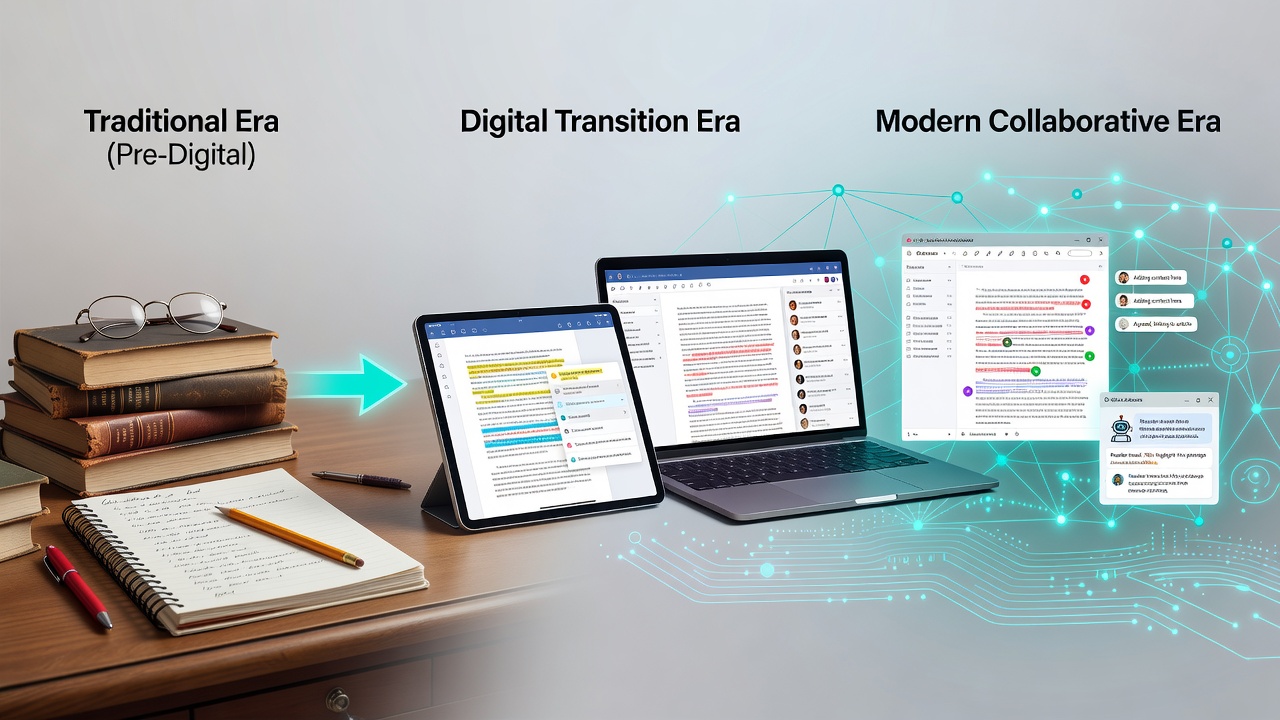
Specialized annotation tools have altered how individual publishers establish direct lines of communication with readers through layered commentary systems embedded within content itself rather than relying on separate comment sections or external forums. These platforms allow publishers to attach contextual notes, highlight passages, and organize feedback in searchable archives that readers can access and contribute to over time. Data from digital publishing reports indicate that adoption of such systems increased steadily between 2023 and 2026 as creators sought methods to maintain audience relationships amid changing platform algorithms.
Core Mechanisms Driving Connection Changes
Annotation platforms function by integrating markup layers directly into text or media files so that publishers and readers exchange observations without leaving the original material. Researchers at academic institutions have documented how these layers support threaded discussions that remain attached to specific paragraphs or images while also permitting export into personal archives for later reference. Individual publishers use the same infrastructure to tag recurring themes across multiple articles which creates a cumulative record of reader interests that can inform future content decisions without requiring additional data collection tools.
October 2026 saw the release of updated interoperability standards from the International Digital Publishing Forum that simplified integration between annotation services and independent hosting environments. Publishers who adopted the new standards reported improved ability to migrate reader notes across platforms while preserving context and attribution details. Government statistics compiled by Statistics Canada on digital content consumption show that sites employing persistent annotation features retained higher percentages of returning visitors compared with those using only standard commenting systems during the same period.
Practical Applications Among Solo Operators
Independent publishers have incorporated annotation layers into newsletters and long-form essays to surface reader questions alongside the original text which reduces the need for follow-up posts. One documented case involved a technology writer who used the system to collect clarifications on technical terminology from domain experts and then made those additions visible to all subsequent readers. The approach created an evolving reference document that grew more accurate with each contribution while keeping the core article intact.
Similar implementations appear in academic and professional niches where precision matters. Publishers working in legal or medical fields apply annotation tools to mark updates to regulations or guidelines so readers receive notifications only for sections they have previously engaged with. European Commission reports on digital single market activities note that such targeted update mechanisms help smaller content producers compete with larger organizations that maintain dedicated notification teams.
Data Patterns and Platform Evolution
Industry analyses reveal that annotation volume tends to concentrate around controversial or technically dense sections of content rather than appearing uniformly. Publishers who review these concentrations can identify topics requiring additional coverage or clarification in subsequent work. Tools equipped with search and filtering functions allow extraction of reader notes by date, keyword, or contributor which transforms transient feedback into structured archives suitable for trend analysis.
Academic studies published through university repositories have examined how annotation density correlates with reader retention metrics across independent sites. Findings indicate that publications incorporating visible reader notes within the text body experience longer average session durations than those directing all interaction to external social channels. The pattern holds across multiple content categories including science reporting and policy analysis.
Conclusion
Annotation tools continue to reshape reader connection strategies for individual publishers by embedding interaction directly within content and preserving contributions as searchable resources. Standards updates in late 2026 further supported cross-platform compatibility while government and academic data sources document measurable differences in engagement metrics for sites employing these methods. The resulting systems provide publishers with structured archives that support both immediate reader dialogue and longer-term content planning.