Rosa Fischer · 17 October 2026
Strategies Solo Publishers Employ When Organizing Transient Reader Feedback into Searchable Personal Archives on Specialized Platforms
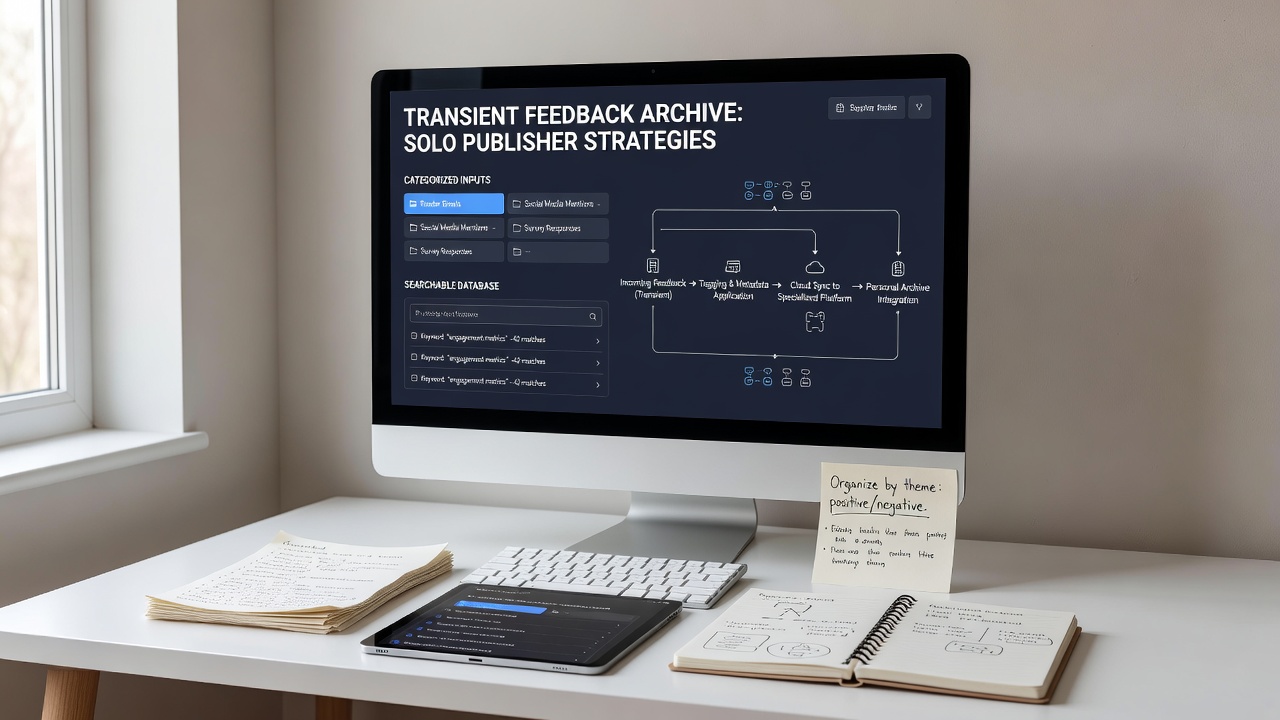
Independent publishers frequently collect reader comments from blog posts, newsletter replies, and forum threads then convert these short-lived exchanges into structured records that remain accessible years later. Research from digital archiving initiatives shows that solo operators achieve this by first capturing feedback through automated scripts that pull data from multiple channels into a central repository, and they follow this step with metadata enrichment that includes timestamps, source URLs, and thematic keywords. Observers note that this initial capture phase often occurs weekly, allowing patterns in audience interests to emerge without overwhelming daily workflows.
Collection and Initial Processing Techniques
Many independent creators route incoming comments through API connections that link their publishing tools directly to archive databases, whereas others rely on export functions from platforms like email services or social media management systems. Data indicates that successful setups combine these methods because they reduce manual entry errors and preserve original wording exactly as readers submitted it. Those who've examined these processes find that adding basic filters at this stage helps separate actionable insights from spam, and publishers then assign preliminary categories based on content type such as questions, praise, or suggestions for future topics.
Building Searchable Structures on Dedicated Platforms
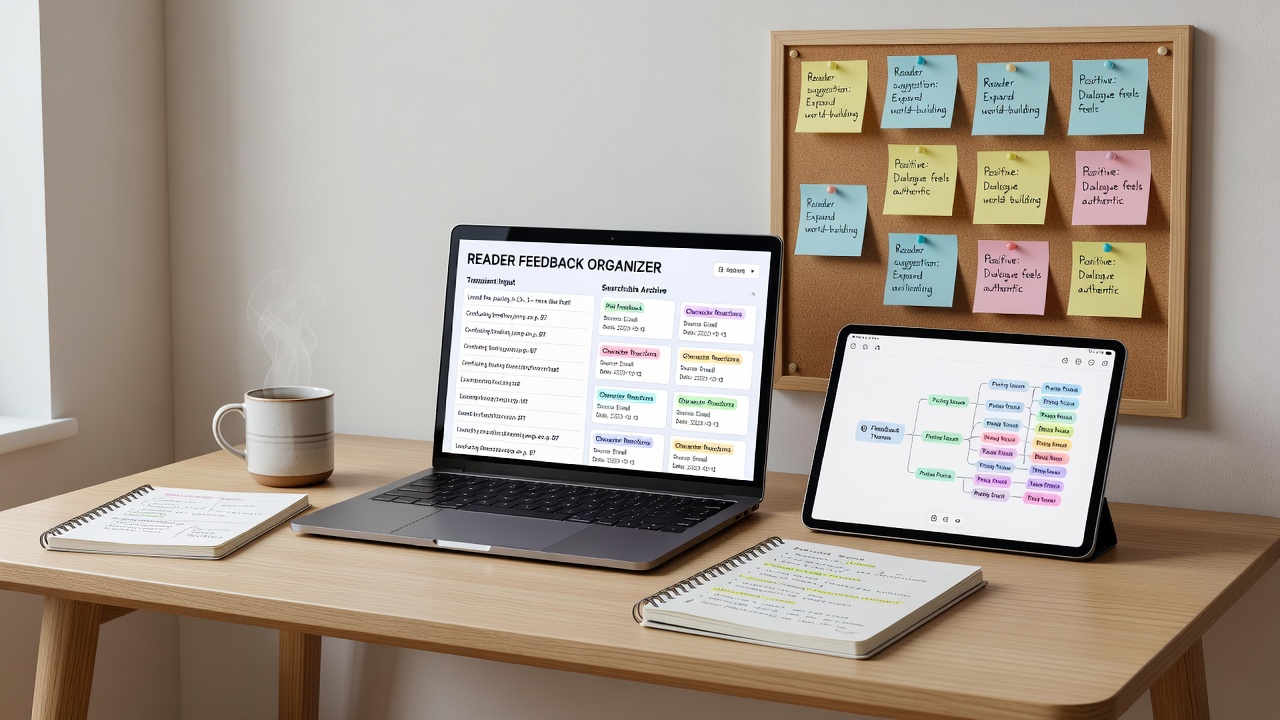
Specialized platforms designed for personal knowledge management allow solo publishers to create fields for each feedback entry that support full-text search alongside faceted navigation by date, topic, or engagement level. Experts have observed that configuring custom taxonomies proves especially useful when archives grow beyond a few thousand entries, since these systems enable rapid retrieval of specific reader sentiments without scrolling through raw files. One study revealed that publishers who integrate optical character recognition for any attached images or scanned notes extend the usefulness of their archives by making visual elements searchable as well.
Metadata Standards and Long-Term Accessibility
Publishers who maintain long-running sites apply consistent metadata schemas that record not only the feedback itself but also the context in which it appeared, including post titles and publication dates. Figures from digital preservation projects show that adherence to open standards such as Dublin Core increases compatibility when individuals later migrate their archives to new software. Those managing personal collections often schedule quarterly reviews to update tags as terminology evolves within their niche, and this practice keeps older entries relevant to current search queries. In October 2026 several independent publishing networks plan workshops focused on these metadata practices, reflecting growing interest in sustainable personal archiving methods.
Security measures form another core element because reader feedback frequently contains personal details that require protection under various data regulations. Publishers address this by encrypting archive files at rest and limiting access through role-based permissions even when the collection remains on personal servers. Research indicates that combining encryption with regular backup routines to geographically separate locations reduces the risk of data loss during hardware failures or service disruptions.
Case Examples from Independent Operations
One researcher who documented solo publishing workflows described a case where an independent science writer organized thousands of reader questions into thematic clusters that later informed book chapters and follow-up articles. The same individual used automated scripts to cross-reference feedback with citation databases, which allowed quick verification of claims readers challenged. Another example involves a travel blogger who tagged location-specific comments with geographic coordinates, turning the archive into a planning resource for future itineraries while maintaining searchability by region and season.
Integration with Existing Content Systems
Many solo operators link their feedback archives to content calendars so that recurring reader concerns automatically surface when planning new posts. This integration relies on shared tagging conventions across tools, and data shows that such connections increase the practical value of archived material because past comments directly influence upcoming publication decisions. Platforms that support bidirectional syncing further streamline this process by updating the archive whenever new feedback arrives through the main site.
Conclusion
Independent publishers continue to refine these archiving approaches as reader volumes increase and platform features evolve. Evidence from multiple studies confirms that systematic collection, thoughtful metadata application, and secure storage practices enable long-term access to transient feedback while supporting content development and audience understanding. As specialized tools advance, those who adopt structured methods position their personal archives as reliable resources rather than scattered collections of past interactions.